The Silence of Being: Unpacking the Sound of One Hand Clapping
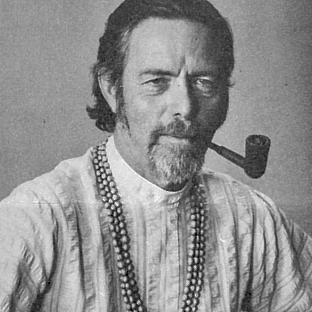
Alan Watts's enigmatic phrase, "The sound of a single hand clapping is the silence of being," invites us to explore the profound depths of existence and the nature of perception. At first glance, this statement may seem paradoxical, as clapping typically involves two hands coming together to create sound. Yet, Watts challenges us to consider the essence of being itself, suggesting that true understanding transcends the dualities of sound and silence, presence and absence. This exploration is not merely an intellectual exercise; it beckons us to engage with the silence that underlies our existence, a silence that is rich with potential and meaning.
In a world that often prioritizes noise and activity, Watts's words serve as a gentle reminder of the importance of stillness and introspection. The quote invites us to reflect on our own lives, urging us to listen to the subtleties of our inner experience. By contemplating the silence of being, we may uncover layers of understanding that are often drowned out by the clamor of daily life. This journey into silence is not an escape from reality but rather an invitation to engage more deeply with it, to recognize the profound interconnectedness of all things.
The image / the metaphor
The imagery of a single hand clapping evokes a sense of paradox that is central to the Zen tradition. Clapping, an act typically associated with celebration and acknowledgment, becomes a solitary gesture that defies conventional understanding. The choice of the word "sound" juxtaposed with "silence" creates a tension that invites contemplation. What does it mean for a sound to exist in the absence of its counterpart? This tension reflects the complexity of existence itself, where opposites coexist and inform one another.
Diving deeper into the metaphor, we can see that the single hand symbolizes the individual self, while the act of clapping represents the dynamic interplay of existence. In Zen, this interplay is often explored through koans—paradoxical anecdotes or riddles that challenge our logical thinking. The single hand clapping becomes a koan in itself, prompting us to question our assumptions about sound, silence, and being. It encourages us to embrace the mystery of existence, where the silence of being is not a void but a fertile ground for understanding and awakening.
In the speaker's tradition
Alan Watts, a prominent interpreter of Eastern philosophy for Western audiences, draws heavily from the Zen tradition, which emphasizes direct experience and the ineffable nature of reality. Concepts such as sunyata, or emptiness, resonate deeply with the idea of silence as a space of potential. In Zen, the realization of sunyata leads to a profound understanding of interconnectedness, where the boundaries between self and other dissolve. Watts invites us to explore this emptiness, suggesting that the silence of being is not an absence but a fullness that encompasses all experiences.
In his work, Watts often references the teachings of Zen masters, such as D.T. Suzuki, who articulated the importance of direct experience in understanding the nature of reality. Suzuki's emphasis on the practice of zazen, or seated meditation, aligns with Watts's call to engage with silence. In this context, the sound of one hand clapping becomes a metaphor for the meditative state, where the practitioner learns to embrace the silence of being and the profound insights that arise from it. This silence is not merely the absence of noise but a deep engagement with the present moment.
Living the teaching
Consider a modern scenario where the teaching of the single hand clapping resonates: a busy professional navigating the demands of work and life. In the midst of deadlines and meetings, one might feel overwhelmed by the cacophony of responsibilities. However, by taking a moment to pause and reflect on the silence of being, this individual can cultivate a sense of clarity and presence. In this stillness, they may find the space to reconnect with their purpose and values, allowing them to approach their tasks with renewed focus and intention.
In relationships, the teaching can manifest in moments of conflict or misunderstanding. When tensions arise, individuals often resort to noise—arguments, accusations, or defensiveness. However, by embracing the silence of being, one can choose to listen deeply, allowing for a more compassionate and understanding dialogue. This practice of active listening, rooted in the silence of being, fosters connection and healing, transforming potential discord into an opportunity for growth and deeper intimacy.
A reflection
As we contemplate the profound implications of Watts's quote, we are invited to engage with a contemplative question: How can we cultivate a deeper awareness of the silence that underlies our experiences? In a world that often prioritizes noise and distraction, this inquiry encourages us to explore the spaces between our thoughts and actions. By embracing the silence of being, we may discover a richer, more meaningful engagement with ourselves and the world around us.



Join the BrightStar Community
Stay connected with daily inspiration, event announcements, and community wisdom