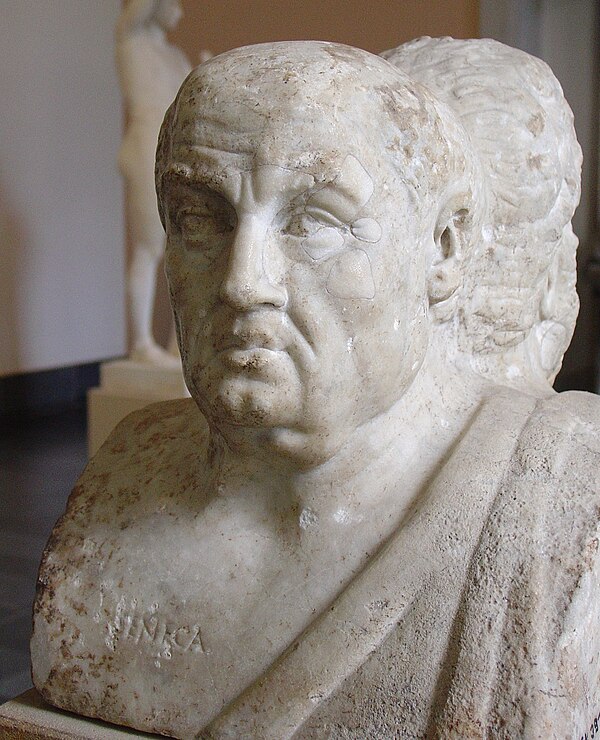
The Roots of Cruelty: Understanding Weakness Through Seneca
Seneca's assertion that "All cruelty springs from weakness" invites us to explore the intricate relationship between human frailty and the propensity for harm. This profound statement challenges us to reconsider our perceptions of cruelty, suggesting that it is not merely an expression of malice but rather a manifestation of deeper vulnerabilities. In a world rife with conflict and suffering, understanding this connection can illuminate pathways to compassion and healing, both for ourselves and others.
By framing cruelty as a byproduct of weakness, Seneca compels us to look inward, prompting a reflection on our own vulnerabilities. This perspective encourages a shift from judgment to empathy, urging us to recognize that those who inflict pain often do so from a place of insecurity or fear. In this light, the quote serves as a call to cultivate compassion, not only for others but also for ourselves, as we navigate the complexities of human emotion and interaction.
The image / the metaphor
At its core, Seneca's quote evokes a vivid image of cruelty as a shadow cast by weakness. The choice of the word "springs" suggests a natural, almost organic emergence of cruelty, as if it flows forth from a well of inadequacy. This imagery invites us to visualize cruelty not as an isolated act of aggression but as a response rooted in a lack of strength—be it emotional, psychological, or moral. The verbs chosen here imply a sense of inevitability; cruelty arises when one is unable to confront their own vulnerabilities with courage.
Diving deeper into the metaphor, we can see that weakness does not merely denote physical frailty but encompasses a broader spectrum of human experience. It speaks to the emotional and spiritual dimensions of our being, where fear, insecurity, and unresolved pain reside. In this sense, cruelty becomes a misguided attempt to assert control or dominance, a defensive mechanism employed by those who feel threatened by their own inadequacies. This understanding invites us to approach acts of cruelty with a sense of compassion, recognizing that they often stem from a place of suffering.
In the speaker's tradition
Seneca's insights are deeply rooted in Stoic philosophy, which emphasizes the importance of inner strength and virtue in navigating life's challenges. Central to Stoicism is the concept of *apatheia*, or the ability to remain unaffected by destructive emotions. In this context, weakness can be seen as a failure to cultivate this emotional resilience, leading to reactions that manifest as cruelty. The Stoic ideal encourages us to confront our vulnerabilities with courage, transforming them into sources of strength rather than allowing them to dictate our actions.
Moreover, Seneca's thoughts resonate with the Buddhist concept of *sunyata*, or emptiness, which teaches that our attachments and aversions often stem from a misunderstanding of the self. Just as Stoicism advocates for the mastery of one's emotions, Buddhism encourages the recognition of the impermanent nature of our experiences. Both traditions underscore the importance of self-awareness and compassion, suggesting that true strength lies not in the absence of weakness but in the ability to embrace it and respond with kindness.
Living the teaching
Consider a modern scenario where this teaching might resonate: a colleague lashes out during a stressful meeting, their words sharp and hurtful. In the moment, it is easy to perceive this behavior as simply cruel, a reflection of their character. However, if we apply Seneca's insight, we might recognize that this cruelty is likely rooted in their own feelings of inadequacy or fear of failure. By reframing our understanding of their actions, we can respond with empathy, perhaps offering support rather than retaliation, thereby fostering a more compassionate workplace environment.
This teaching can also be applied within our personal relationships. Imagine a friend who reacts defensively when confronted about a mistake. Instead of responding with anger or judgment, we can choose to approach them with understanding, acknowledging that their defensiveness may stem from a place of insecurity. By embodying compassion in these moments, we not only alleviate potential conflict but also create space for healing and growth, both for ourselves and for those we interact with.
A reflection
As we contemplate Seneca's assertion that "All cruelty springs from weakness," we are invited to examine our own responses to the cruelty we encounter in the world. How often do we react with judgment rather than compassion? In what ways can we cultivate a deeper understanding of our own vulnerabilities and those of others? Let this reflection guide us toward a more empathetic existence, where we recognize that beneath every act of cruelty lies a story of weakness yearning for healing.




Join the BrightStar Community
Stay connected with daily inspiration, event announcements, and community wisdom