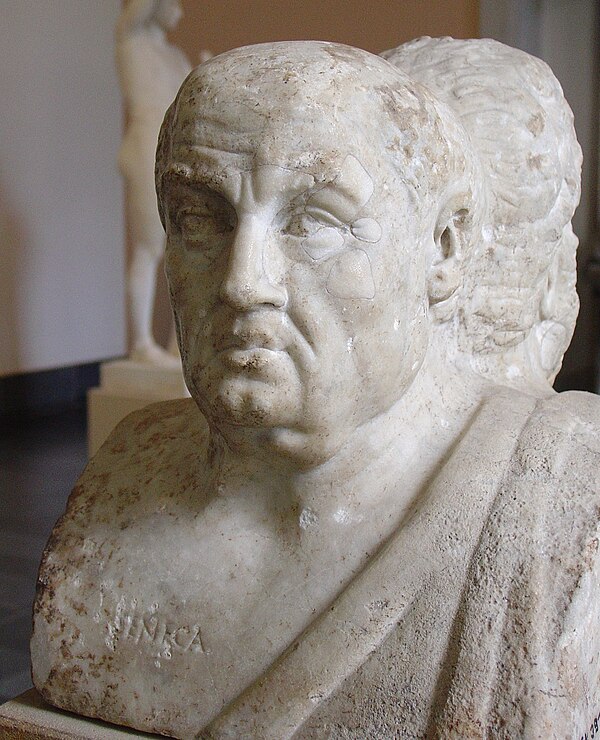
The Gift of Time: A Stoic Reflection
In his poignant assertion, "All things, Lucilius, belong to others; only time is ours," Seneca invites us to contemplate the nature of ownership and the fleeting essence of time. This statement encapsulates a profound truth about the human experience: while material possessions and external circumstances may be beyond our control, the time we have is uniquely ours to shape and direct. Understanding this distinction is crucial, as it compels us to examine how we allocate our most precious resource—time—amidst a world that often distracts us with the allure of transient gains.
Seneca's words resonate deeply in a society that frequently equates success with accumulation and status. By asserting that only time belongs to us, he challenges us to reconsider our priorities and the way we engage with the world. This reflection is not merely philosophical; it carries practical implications for how we live our lives. In recognizing the sovereignty we hold over our time, we are encouraged to cultivate a more intentional existence, one that honors our values and aspirations rather than succumbing to the pressures of external expectations.
The image / the metaphor
At first glance, Seneca's quote presents a stark dichotomy between ownership and impermanence. The phrase "all things belong to others" evokes a sense of transience, suggesting that material possessions, relationships, and even achievements are ultimately ephemeral. The verb "belong" implies a sense of possession that is illusory, as these things can be lost or taken away. In contrast, the declaration that "only time is ours" offers a sense of empowerment, emphasizing that while we may not control the external world, we possess the agency to govern our own temporal experience.
Diving deeper into the metaphor, we find that time is portrayed not merely as a commodity but as a gift—a sacred resource that can be invested in meaningful pursuits. This perspective invites us to view time as a canvas upon which we paint the story of our lives. The imagery of time as a possession we can claim encourages us to reflect on how we choose to spend it, urging us to prioritize what truly matters. In this light, time becomes a powerful tool for transformation, capable of shaping our character and influencing the world around us.
In the speaker's tradition
Seneca's insights are deeply rooted in Stoic philosophy, which emphasizes the importance of virtue, self-control, and rationality in navigating life's challenges. Central to Stoicism is the concept of "dharma," or one's duty, which aligns with the idea that we must act in accordance with our true nature and values. By recognizing that time is the only possession we truly have, we are called to live in alignment with our purpose, making choices that reflect our highest ideals rather than succumbing to external pressures.
This notion of time as a personal responsibility resonates with other philosophical traditions as well. For instance, in Buddhism, the concept of "sunyata" or emptiness encourages practitioners to recognize the impermanence of all things, including time itself. Both traditions invite us to cultivate mindfulness and presence, urging us to appreciate the fleeting moments of our lives. In his "Letters to Lucilius," Seneca echoes this sentiment, reminding us that the wise use of time is a hallmark of a virtuous life, one that is lived with intention and awareness.
Living the teaching
Consider a modern scenario where this teaching can be applied: a busy professional caught in the relentless cycle of work and obligations. Each day is filled with meetings, deadlines, and the constant pull of technology, leaving little room for reflection or connection. In this context, Seneca's reminder that time is ours serves as a wake-up call. By consciously reclaiming time for self-care, relationships, and personal growth, the individual can transform their experience from one of mere survival to one of meaningful engagement.
In another application, think of a strained relationship where misunderstandings and resentments have built up over time. Here, the teaching invites us to recognize that while we cannot control the actions of others, we can choose how we respond. By dedicating time to open communication and empathy, we can foster healing and connection. This practice of intentionality in our interactions reflects the essence of Seneca's wisdom, reminding us that the way we spend our time can either deepen our bonds or perpetuate division.
A reflection
As we contemplate Seneca's assertion, we are left with a profound question: How am I choosing to spend the time that is uniquely mine? This inquiry invites us to reflect on our daily choices and the values that guide them. In a world that often distracts us with the pursuit of external validation, may we find the courage to prioritize what truly matters, embracing the gift of time as a canvas for our most authentic selves.




Join the BrightStar Community
Stay connected with daily inspiration, event announcements, and community wisdom