The Alchemy of Adversity: Transforming Trials into Triumphs
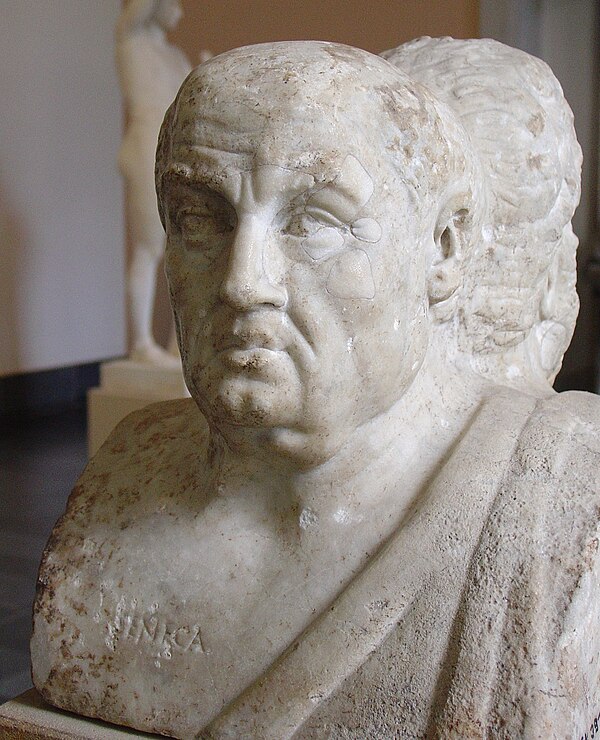
Seneca's poignant assertion, "A gem cannot be polished without friction, nor a man perfected without trials," invites us to reconsider our relationship with discomfort and adversity. This metaphor serves as a powerful reminder that growth often emerges from the very challenges we seek to avoid. In a world that often equates success with ease, Seneca's wisdom urges us to embrace the friction of life as a necessary catalyst for personal transformation.
By likening human development to the polishing of a gem, Seneca emphasizes that perfection is not a state of being but a continuous process shaped by our experiences. The trials we encounter are not mere obstacles; they are essential components of our journey toward self-realization. This perspective challenges us to reframe our understanding of suffering, suggesting that it is not something to be feared but rather a vital part of our evolution.
The image / the metaphor
The imagery of a gem undergoing polishing evokes a visceral sense of transformation. The friction that a gem endures is not gentle; it is a vigorous process that requires pressure and persistence. This choice of verbs—"polished" and "perfected"—conveys a sense of active engagement in our own growth. Just as a gem emerges from the roughness of its natural state into a brilliant jewel, so too must we navigate the trials of life to uncover our true potential.
Diving deeper into this metaphor, we recognize that the gem's journey is not solitary; it is a collaborative dance with the forces of nature. The friction symbolizes the challenges we face—loss, disappointment, and hardship—each contributing to our refinement. In this light, trials become not just obstacles but essential ingredients in the alchemy of our existence, shaping our character and fortifying our resilience.
In the speaker's tradition
Seneca's insights are deeply rooted in the Stoic tradition, which emphasizes the importance of virtue and the cultivation of inner strength through adversity. This aligns with the broader philosophical concept of dharma in Eastern traditions, where one's path is often illuminated through the trials faced along the way. Both philosophies recognize that suffering is not an end in itself but a means to achieve a higher understanding of oneself and one's place in the universe.
In "Letters from a Stoic," Seneca articulates the idea that the wise person welcomes challenges as opportunities for growth. This sentiment resonates with the Buddhist concept of sunyata, or emptiness, which teaches that our attachments to comfort and ease can hinder our spiritual progress. By embracing the trials of life, we can cultivate a deeper sense of awareness and connection to our true selves, much like the gem that reveals its brilliance only after enduring the rigors of polishing.
Living the teaching
Consider a modern scenario where this teaching resonates: an individual facing a significant career setback. Initially, the experience may feel like a failure, a moment of despair that prompts self-doubt. However, if approached through the lens of Seneca's wisdom, this setback can be seen as an opportunity for reflection and growth. The individual might take the time to reassess their goals, develop new skills, or even pivot to a different path altogether, ultimately emerging stronger and more resilient.
In the realm of relationships, the application of this teaching can be equally profound. Imagine a couple navigating a period of conflict; rather than viewing their struggles as signs of incompatibility, they can recognize them as opportunities for deeper understanding and connection. By facing their challenges together, they can refine their communication and strengthen their bond, much like the gem that shines brighter after enduring the friction of its journey.
A reflection
As we contemplate Seneca's assertion, we are invited to reflect on our own lives: What trials have shaped us into who we are today? In what ways can we reframe our understanding of suffering as a necessary part of our growth? By embracing the friction of our experiences, we can transform our challenges into stepping stones on the path to self-discovery and fulfillment.



Join the BrightStar Community
Stay connected with daily inspiration, event announcements, and community wisdom