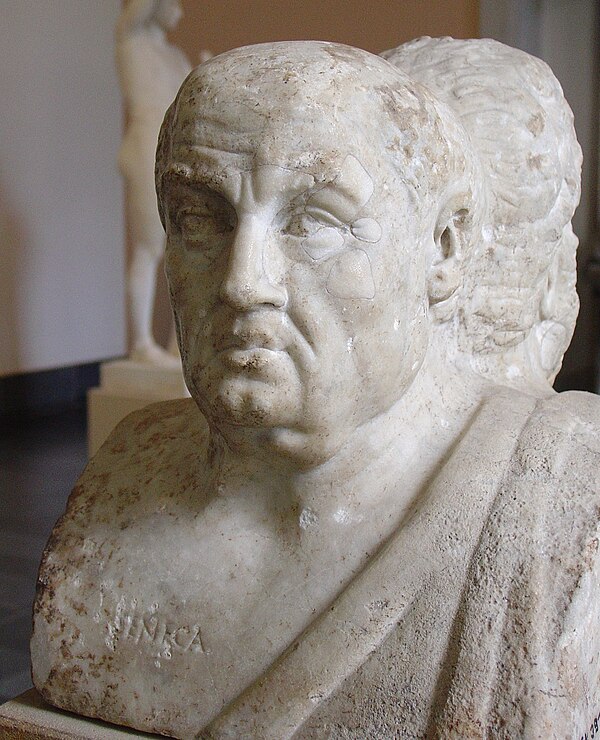
The Wisdom of Time: Embracing the Journey of Aging
In the poignant words of Seneca, "Wherever I turn, I see evidences of my advancing years," we are invited to confront the reality of aging with both clarity and acceptance. This acknowledgment of the passage of time is not merely a lamentation but rather a profound reflection on the nature of existence itself. As we navigate through life, the marks of our years become visible, urging us to contemplate the significance of our experiences and the wisdom they impart. This quote resonates deeply in a culture often preoccupied with youth, reminding us that aging is not a decline but a rich tapestry of growth and understanding.
Seneca's observation serves as a mirror reflecting our own lives, compelling us to consider how we perceive the aging process. It challenges us to shift our perspective from one of fear and denial to one of acceptance and gratitude. In recognizing the signs of our advancing years, we are also called to reflect on the lessons learned, the relationships forged, and the moments cherished. This contemplation is essential, as it allows us to embrace our journey with grace, transforming the inevitability of aging into an opportunity for deeper self-awareness and connection to the world around us.
The image / the metaphor
At first glance, Seneca's quote evokes a vivid image of a landscape marked by the passage of time. The phrase "wherever I turn" suggests a sense of omnipresence, as if the evidence of aging is inescapable, surrounding us at every moment. The choice of the word "evidences" implies a tangible manifestation of our years—wrinkles, gray hair, and the wisdom etched into our very being. This imagery invites us to engage with the physical markers of aging, not as burdens but as symbols of our lived experiences, each telling a story of resilience and growth.
Diving deeper into the metaphor, we find that Seneca's words speak to the broader human experience of time itself. Aging is not merely a biological process; it is a profound journey of transformation. Each year brings with it a new layer of understanding, a deepening of our emotional landscape, and a refinement of our values. The "evidences" of our advancing years can be seen as milestones on the path of life, each one a testament to our capacity for change and adaptation. In this light, aging becomes a sacred narrative, a continuous unfolding that invites us to reflect on our purpose and the legacy we wish to leave behind.
In the speaker's tradition
Seneca, a prominent Stoic philosopher, offers us a lens through which to view aging as an integral part of the human experience. Stoicism teaches us the importance of accepting what we cannot control, including the passage of time and the changes it brings. This acceptance aligns with the concept of *amor fati*, or love of fate, which encourages us to embrace our circumstances, however challenging they may be. In recognizing the inevitability of aging, we cultivate a sense of peace and resilience, allowing us to navigate life's transitions with grace and fortitude.
In his *Letters to Lucilius*, Seneca often reflects on the fleeting nature of time and the importance of living in accordance with our values. He writes, "It is not that we have a short time to live, but that we waste a lot of it." This sentiment resonates with the idea that aging should not be viewed as a loss but rather as an opportunity to live more fully. By embracing the wisdom that comes with age, we can align our actions with our deepest values, ensuring that each moment is imbued with purpose and intention.
Living the teaching
Consider a modern scenario where this teaching might resonate: a person nearing retirement reflects on their career and the passage of time. As they look back, they see not just the years spent working but the relationships built, the challenges overcome, and the lessons learned. This reflection can lead to a profound sense of gratitude, transforming what might be perceived as a loss of youth into a celebration of a life well-lived. By embracing the evidence of their advancing years, they can approach retirement not with fear but with excitement for the new opportunities that lie ahead.
In the context of relationships, Seneca's teaching can also provide insight during difficult moments. Imagine a conversation between two friends who have grown apart over the years. As they navigate their differences, they might reflect on the shared experiences that have shaped their bond. By acknowledging the changes in themselves and each other, they can foster a deeper understanding and appreciation for their journey together. This recognition of aging—both individually and collectively—can serve as a catalyst for healing and reconnection, allowing them to embrace the evolving nature of their friendship.
A reflection
As we contemplate Seneca's words, we are invited to ask ourselves: How do I perceive the signs of my own aging? Do I view them as burdens or as markers of a life rich with experience? This question encourages us to engage in a deeper reflection on our relationship with time and the wisdom that comes with it. By embracing the journey of aging, we can cultivate a sense of gratitude for the lessons learned and the opportunities that lie ahead, transforming our perception of aging into a celebration of life itself.




Join the BrightStar Community
Stay connected with daily inspiration, event announcements, and community wisdom