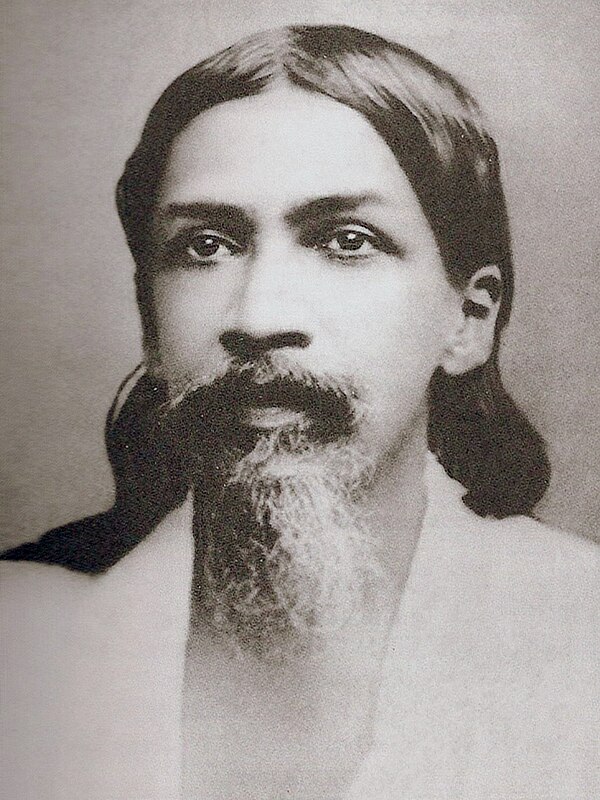
The Perfection of Imperfection: Embracing Our Stumbles
“By your stumbling, the world is perfected.” This profound statement by Sri Aurobindo invites us to reconsider our relationship with failure and imperfection. It suggests that our missteps are not merely obstacles but integral to the unfolding of a greater cosmic order. In a world that often equates success with worth, this perspective challenges us to embrace our vulnerabilities as essential threads in the fabric of existence, ultimately contributing to a more harmonious whole.
In a society that prizes achievement and perfection, Aurobindo’s words resonate with a deep, liberating truth. They remind us that the journey of evolution—both personal and collective—is fraught with challenges and setbacks. Rather than viewing our stumbles as failures, we are invited to see them as opportunities for growth and transformation. This shift in perception not only enriches our individual experiences but also enhances the collective tapestry of humanity, suggesting that our imperfections are, in fact, the very catalysts for progress.
The image / the metaphor
At first glance, the imagery of "stumbling" evokes a sense of clumsiness or error, yet it is precisely this rawness that Aurobindo highlights as a pathway to perfection. The verb "stumbling" suggests movement, a dynamic process rather than a static state. It implies that life is not a linear journey but a series of ups and downs, where each misstep contributes to our learning and evolution. The notion of the world being "perfected" through our stumbles invites us to consider the interconnectedness of our experiences, where individual struggles resonate within the larger context of existence.
Diving deeper into the metaphor, we can see that stumbling is not merely about falling; it is about the act of rising again, learning, and adapting. Each stumble carries with it the potential for insight and wisdom, transforming what might initially seem like a setback into a stepping stone. This cyclical process of falling and rising reflects the very nature of life itself—an ongoing dance of creation and destruction, where each imperfection serves as a vital ingredient in the recipe of evolution.
In the speaker's tradition
To fully appreciate Aurobindo’s insight, we must situate it within the broader context of Hindu philosophy, particularly the concepts of dharma and evolution. In this tradition, dharma refers to the moral and ethical duties that guide an individual’s actions, while the idea of evolution encompasses not just physical development but spiritual awakening. Aurobindo’s assertion that our stumbles contribute to the perfection of the world aligns with the belief that every action, even those that seem flawed, plays a role in the cosmic order, ultimately leading to greater harmony and understanding.
Moreover, Aurobindo’s thoughts resonate with the concept of kenosis, or self-emptying, found in various spiritual traditions. This idea suggests that by letting go of our rigid notions of success and embracing our vulnerabilities, we create space for deeper wisdom and connection. In his epic poem "Savitri," Aurobindo explores the transformative power of love and sacrifice, illustrating how our struggles can lead to profound spiritual insights and a more profound connection with the divine. This interplay between imperfection and enlightenment is a recurring theme in many spiritual texts, emphasizing the necessity of embracing our human experience.
Living the teaching
Consider a modern scenario where this teaching can be applied: a young professional facing setbacks in their career. Each missed opportunity or failed project can feel like a personal failure, yet Aurobindo’s wisdom invites them to reframe these experiences. Instead of succumbing to despair, they can view each stumble as a chance to learn, adapt, and grow. This perspective not only alleviates the pressure of perfectionism but also fosters resilience, allowing them to navigate their career path with greater confidence and creativity.
In the realm of relationships, Aurobindo’s teaching can also provide profound insights. Imagine a couple navigating a difficult phase in their partnership, where misunderstandings and conflicts arise. Rather than viewing these challenges as signs of failure, they can embrace the idea that their stumbles are opportunities for deeper understanding and connection. By approaching their difficulties with compassion and openness, they can transform their relationship, ultimately leading to a more profound bond. This practice of embracing imperfection can enrich not only personal connections but also the broader tapestry of human relationships.
A reflection
As we contemplate Aurobindo’s profound assertion, we are invited to reflect on our own experiences of stumbling. What lessons have emerged from your moments of failure or imperfection? How might embracing these experiences as essential to your growth transform your understanding of yourself and your place in the world? In this inquiry, we find the seeds of wisdom that can lead us toward a more profound acceptance of our human journey.






Join the BrightStar Community
Stay connected with daily inspiration, event announcements, and community wisdom