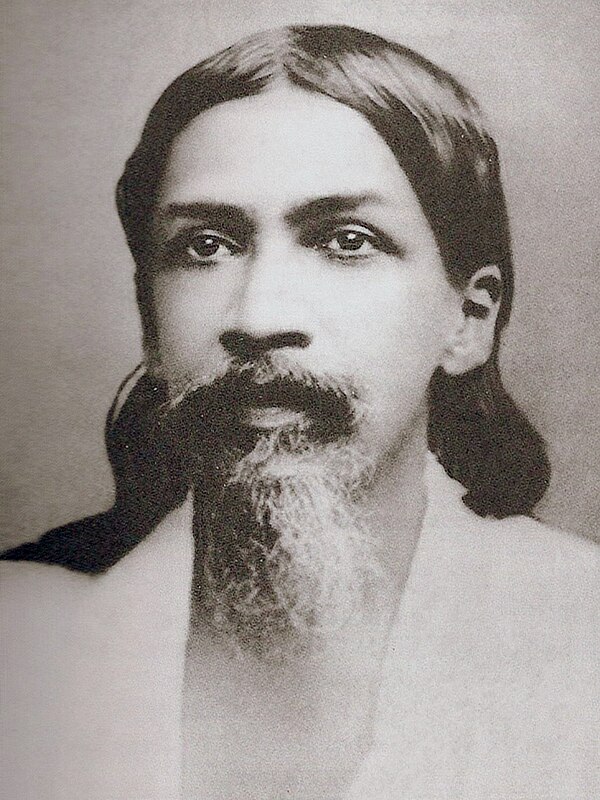
The Path of Effort: A Journey Toward Spiritual Awakening
Sri Aurobindo's assertion that "without conscious effort there can be no spiritual progress" invites us to reflect on the essential role of intentionality in our spiritual journeys. This statement underscores a fundamental truth: spiritual growth is not a passive experience but rather an active engagement with our inner selves and the world around us. The stakes are high; without this conscious effort, we risk stagnation in our spiritual lives, remaining tethered to the surface of existence rather than diving into the depths of our true nature.
In a world that often promotes ease and instant gratification, Aurobindo's words serve as a clarion call to embrace discipline and commitment. Spiritual progress requires more than mere desire; it demands a willingness to confront our limitations, to cultivate practices that nurture our growth, and to engage in the transformative work of self-discovery. This conscious effort is not merely about striving but about aligning ourselves with a deeper purpose, allowing us to transcend the mundane and touch the divine.
The image / the metaphor
At the heart of Aurobindo's quote lies a vivid imagery of effort as a necessary catalyst for spiritual evolution. The term "conscious effort" evokes a sense of deliberate action, a purposeful engagement with the self that is both rigorous and reflective. It suggests a dynamic interplay between will and awareness, where one must actively choose to embark on the path of spiritual inquiry. The use of the word "progress" implies movement, growth, and transformation, highlighting that spiritual development is not a static state but a continuous journey.
Diving deeper into the metaphor, we can envision spiritual progress as akin to a gardener tending to a garden. Without the conscious effort of planting seeds, watering, and nurturing the soil, the garden remains barren. Similarly, our spiritual lives require the cultivation of virtues, the weeding out of negative patterns, and the patience to allow growth to unfold in its own time. This metaphor illustrates that while the divine may provide the potential for growth, it is our conscious effort that actualizes it.
In the speaker's tradition
Sri Aurobindo's teachings are deeply rooted in the Hindu tradition, where the concepts of dharma (righteous duty) and sadhana (spiritual practice) play pivotal roles. The notion of conscious effort resonates with the idea of dharma, which calls individuals to fulfill their responsibilities with intention and integrity. In this context, effort is not merely a personal endeavor but a sacred duty that aligns us with the cosmic order, guiding us toward our highest potential.
Moreover, Aurobindo's emphasis on effort can be likened to the practice of sadhana, which encompasses various disciplines aimed at spiritual awakening. In his work "Letters on Yoga," he elaborates on the necessity of sustained practice and the cultivation of inner discipline as essential components of spiritual growth. This aligns with the broader Hindu understanding of spiritual evolution, where the journey toward enlightenment is marked by dedicated effort and unwavering commitment.
Living the teaching
Consider a modern scenario where this teaching manifests: an individual embarking on a meditation practice. Initially, the desire to meditate may stem from a longing for peace or clarity. However, without the conscious effort to set aside time each day, to create a conducive environment, and to engage with the practice, the individual may find themselves drifting back into the chaos of daily life. Here, the act of meditating becomes a testament to Aurobindo's assertion; it is through the discipline of regular practice that one begins to experience the profound benefits of stillness and self-awareness.
In the realm of relationships, the concept of conscious effort can also be transformative. Imagine a couple facing challenges in their communication. While love may be present, without the conscious effort to listen, to empathize, and to engage in open dialogue, misunderstandings can fester. By committing to the effort of nurturing their connection, they can cultivate a deeper understanding and intimacy, illustrating that spiritual progress in relationships often requires intentional actions that foster growth and healing.
A reflection
As we contemplate Aurobindo's profound insight, we are invited to ask ourselves: What conscious efforts am I currently making in my spiritual journey? This question encourages introspection and invites us to evaluate the practices, disciplines, and commitments that shape our spiritual lives. By reflecting on our efforts, we can gain clarity on where we may need to deepen our engagement or where we may be called to explore new avenues of growth.






Join the BrightStar Community
Stay connected with daily inspiration, event announcements, and community wisdom