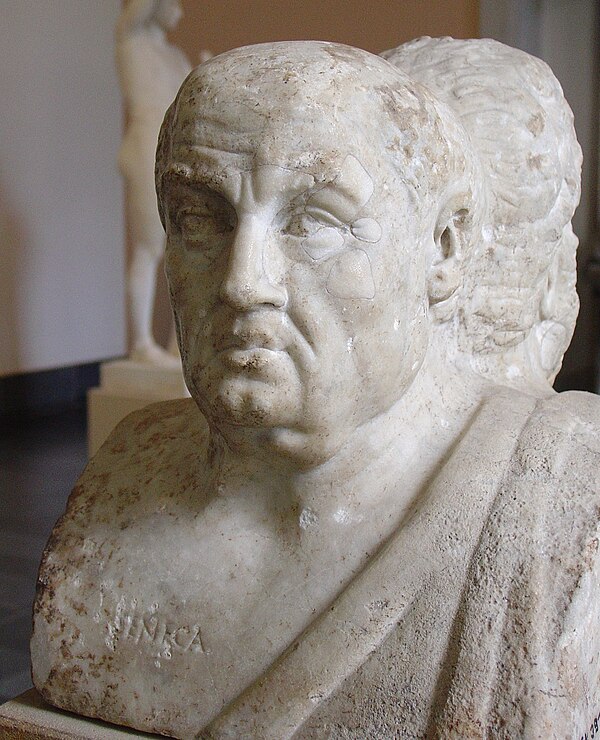
Embracing the Present: The Wisdom of Seneca
Seneca's poignant reminder to "Hold every hour in your grasp; lay hold of today's task and you will not need to depend so much upon tomorrow's" invites us to cultivate a deep awareness of the present moment. In a world often dominated by distractions and future anxieties, this quote underscores the importance of engaging fully with the tasks at hand. By anchoring ourselves in the present, we not only enhance our productivity but also foster a sense of autonomy over our lives, reducing the weight of tomorrow's uncertainties.
This call to presence is not merely a practical suggestion; it is a profound philosophical stance that challenges our habitual tendencies to procrastinate or worry about what lies ahead. Seneca, a Stoic philosopher, emphasizes that the only time we truly possess is the present. By focusing on today’s responsibilities, we liberate ourselves from the burdens of future expectations, allowing us to live with intention and purpose. This approach not only nurtures our well-being but also aligns us with the Stoic ideal of living in accordance with nature, where the present moment is the only reality we can truly influence.
The image / the metaphor
At the heart of Seneca's quote lies a vivid metaphor that evokes the act of grasping and holding. The imagery of "holding every hour" suggests an active engagement with time, as if each moment is a precious object that we can seize and make our own. The verbs "hold" and "lay hold" convey a sense of agency, inviting us to take control of our daily tasks rather than allowing them to slip away into the ether of procrastination or distraction. This tactile imagery evokes a felt sense of responsibility and empowerment, reminding us that we have the ability to shape our experience through our actions.
In the speaker's tradition
Seneca's teachings are deeply rooted in Stoicism, a philosophical tradition that emphasizes rationality, self-control, and the importance of living in accordance with nature. Central to Stoic thought is the concept of virtue, which is achieved through the practice of wisdom, courage, justice, and temperance. In this context, the act of holding onto the present moment aligns with the Stoic belief in focusing on what is within our control. By attending to our current tasks, we embody the Stoic ideal of living virtuously, free from the distractions of future anxieties.
Moreover, Seneca's insights resonate with concepts found in other spiritual traditions. For instance, the Buddhist notion of sunyata, or emptiness, encourages practitioners to recognize the impermanence of all things, urging them to embrace the present moment fully. Similarly, the Hindu concept of dharma emphasizes the importance of fulfilling one's duty in the here and now. Both traditions echo Seneca's call to engage with the present, highlighting a universal truth that transcends cultural boundaries: the present moment is where life unfolds, and it is our responsibility to engage with it meaningfully.
Living the teaching
Consider a modern scenario where this teaching can be applied: the overwhelming feeling of a busy workday filled with meetings, deadlines, and endless to-do lists. In such moments, it is easy to become consumed by the weight of future responsibilities, leading to stress and anxiety. By consciously choosing to focus on one task at a time—perhaps drafting a report or preparing for a meeting—we can embody Seneca's wisdom. This practice not only enhances our productivity but also allows us to experience a sense of accomplishment and clarity, as we fully engage with each moment rather than being scattered across multiple concerns.
Another application of this teaching can be found in personal relationships. Imagine a conversation with a loved one where distractions abound—phones buzzing, thoughts drifting to future plans. By choosing to "lay hold" of that moment, we can practice active listening and presence, fostering deeper connections. This intentional engagement transforms our interactions, allowing us to cultivate empathy and understanding. In both work and relationships, the act of grounding ourselves in the present can lead to richer experiences and a greater sense of fulfillment.
A reflection
As we contemplate Seneca's wisdom, we are invited to reflect on our relationship with time and presence. How often do we allow the demands of tomorrow to overshadow the beauty of today? In what ways can we practice holding each hour in our grasp, fully engaging with the tasks and relationships that matter most? Consider this question as a guide for your daily life: What is one small action you can take today to embrace the present moment more fully?