The Strength Found in Struggle
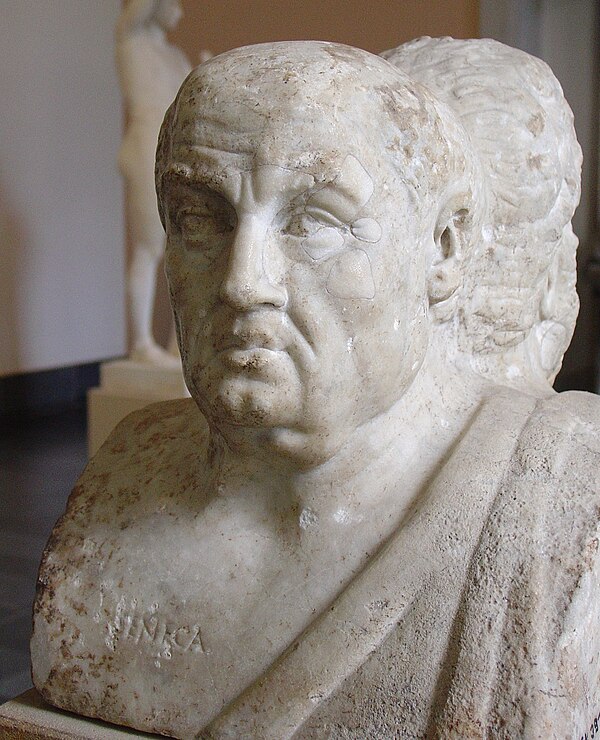
Seneca's assertion that "Difficulties strengthen the mind, as labor does the body" invites us to reconsider our relationship with adversity. In a world that often seeks comfort and ease, this quote serves as a reminder that challenges are not merely obstacles but essential components of personal growth. The stakes are high; how we respond to difficulties shapes our character and resilience, ultimately determining the quality of our lives.
In this light, Seneca's words resonate deeply within the framework of Stoicism, a philosophy that champions the cultivation of virtue through the acceptance of life's inherent challenges. Rather than viewing difficulties as burdens, we are encouraged to see them as opportunities for mental fortitude and emotional strength. This perspective not only empowers us to face our trials with courage but also fosters a profound sense of purpose in our journey through life.
The image / the metaphor
At first glance, Seneca's metaphor draws a vivid parallel between the physical and mental realms. Just as the body grows stronger through labor and exertion, so too does the mind develop resilience through the trials it faces. The imagery evokes a sense of active engagement; it is not enough to passively endure difficulties. Instead, we must actively confront and embrace them, allowing the process to shape us into more robust individuals.
Diving deeper into this metaphor, we can see that the strength gained from difficulties is akin to the muscle built through resistance training. Each challenge we encounter acts as a weight that we must lift, and with each repetition, we become more adept at handling life's burdens. This transformative process is not instantaneous; it requires patience and persistence, much like the gradual development of physical strength. In this way, Seneca invites us to view our struggles as integral to our growth, rather than as mere inconveniences to be avoided.
In the speaker's tradition
Seneca's insights are firmly rooted in the Stoic tradition, which emphasizes the importance of virtue and wisdom in navigating life's challenges. Central to Stoicism is the concept of resilience, akin to the Buddhist notion of *sunyata*, or emptiness, which teaches that our perceptions of suffering can be transformed through understanding. Both philosophies encourage us to embrace difficulties as part of the human experience, fostering a mindset that seeks growth through adversity.
In his *Letters from a Stoic*, Seneca elaborates on the idea that true strength arises from the trials we endure. He writes about the importance of facing hardships with equanimity, suggesting that our responses to challenges define our character. This echoes the teachings found in other Stoic texts, such as Epictetus's *Enchiridion*, where the focus is placed on distinguishing between what is within our control and what is not. By cultivating this discernment, we can approach difficulties with a sense of agency and purpose.
Living the teaching
Consider a modern scenario where this teaching might resonate: a professional facing a significant setback, such as a job loss or a failed project. Initially, the individual may feel overwhelmed by despair and uncertainty. However, by embracing the challenge as an opportunity for growth, they can reflect on their skills, reassess their goals, and ultimately emerge stronger and more resilient. This process of transformation exemplifies how difficulties can serve as catalysts for personal development.
A reflection
As we contemplate Seneca's wisdom, we are invited to reflect on our own experiences with adversity. What difficulties have you faced that ultimately led to personal growth or a deeper understanding of yourself? In what ways can you shift your perspective to view current challenges as opportunities for strengthening your mind? This inquiry not only deepens our engagement with the quote but also encourages us to embrace the transformative power of our struggles.